
Spoofed Address
Look carefully at the actual domain name, not just the sender's display name. A spoofed domain often hides an extra character buried in the company name.
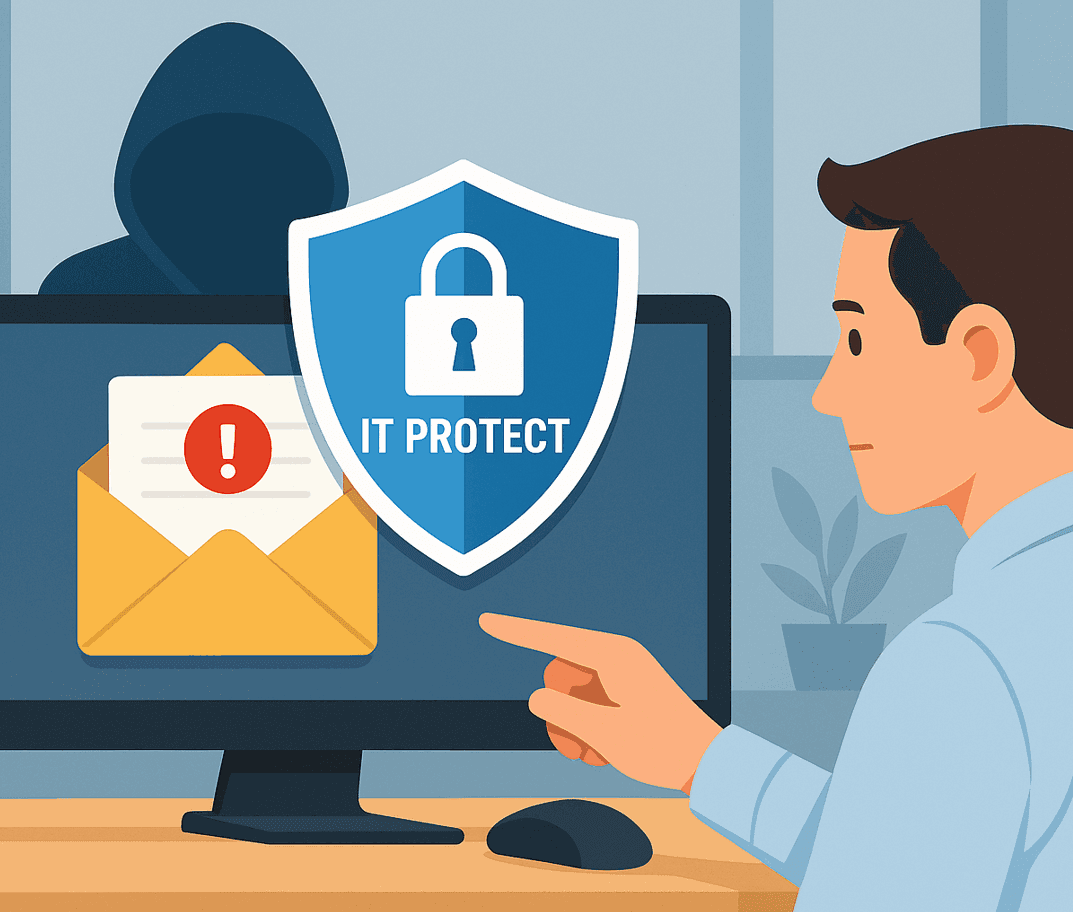
All businesses, no matter their size, are vulnerable to a variety of online cyber threats, among which Business Email Compromise (BEC) stands out as a particularly insidious one.
BEC is a form of cyber deception where hackers gain control of legitimate corporate email accounts to conduct unauthorized financial transactions or steal confidential information. This strategy abuses the inherent trust between colleagues and can lead to devastating financial losses. Business leaders must recognize this threat and implement critical safeguards.
BEC goes beyond complex phishing schemes; it is a highly targeted attack. Criminals meticulously choose a target business, studying its internal structure and employee roles. They may hijack a high-ranking official's email, or pose as them, sending out fraudulent requests for money transfers or private data to unsuspecting staff.
Sometimes these frauds even impersonate suppliers or partners, requesting changes to payment instructions. These deceptive emails, appearing to be from reliable sources, pose a significant detection challenge. Enterprise-level tools and education are some of the best ways to protect your business from the threats you will see in your organization's inboxes.
The impact and scope of BEC cannot be overstated. The FBI's 2022 Internet Crime Report noted 21,832 BEC incidents, with losses topping $2.7 billion. The true financial impact is likely even greater, as some companies choose not to report such breaches to protect their reputation.
The shift toward remote work has only heightened this risk, with employees depending more on email for communication. Verizon's studies show that BEC incidents have almost doubled, now representing over half of all social engineering attacks, and IBM's analysis places BEC in the top three attack strategies of 2022. Recently, cybercriminals have begun leveraging generative AI tools like WormGPT to create alarmingly realistic fake emails for their campaigns.
Combating BEC requires a comprehensive approach. Education is paramount: businesses must train their workforce, especially those in finance and HR, to spot the signs of BEC and verify any unusual request, no matter who it seems to come from. Technical measures like multi-factor authentication (MFA) enhance email security by preventing unauthorized access, and policies that require multiple approvals for large transactions or payment detail updates add a critical layer.
Relying solely on tools like MFA is not enough, as cybercriminals are constantly developing new methods to bypass these defenses. This is where IT PROTECT's Managed Detection and Response (MDR) becomes essential. MDR offers ongoing surveillance and proactive threat hunting, catching irregularities that standard measures miss, while a 24/7 Security Operations Center ensures swift identification and mitigation. A robust defense blends cybersecurity education, MFA, MDR, and a dedicated SOC.
Most BEC attempts share the same tells. Train your team to slow down and check for these before they act on any request.
Look carefully at the actual domain name, not just the sender's display name. A spoofed domain often hides an extra character buried in the company name.
Links can lead to a credential-harvesting site. Hover your pointer over any link before clicking to confirm it goes where you expect.
Because hackers may be monitoring your inbox, they can jump into a legitimate thread about a real invoice, insert themselves, and cut the genuine vendor out of the conversation.
Requests sent late in the week are designed to catch an employee rushing to wrap up tasks before they leave.
If you are not expecting an attachment, do not open it. Call the sender to confirm it is a legitimate file.
Be extremely wary of changes to deadlines or bank accounts. Call your contact directly to confirm what is happening.
Impersonators often fumble the details, so watch for discrepancies, like someone who normally goes by Michael signing a message as Mike.
If you are ready to take control and secure your business data, reach out for a chat. IT PROTECT can provide the IT support you need and the critical security your business must have.
Cloud Matrix IT is a managed IT and technology consulting firm specializing in proactive IT management for small and medium-sized businesses. IT PROTECT is a comprehensive technology strategy and cybersecurity platform that helps your business save time, reduce costs, and stay protected with a fully managed 24/7/365 SOC+ platform led by cybersecurity professionals. Yes, even weekends and holidays.
Real conversations beat sales pitches, every time. Share what's on your plate and we'll be in touch to set up a chat, usually within a business day. No pressure, no pitch.