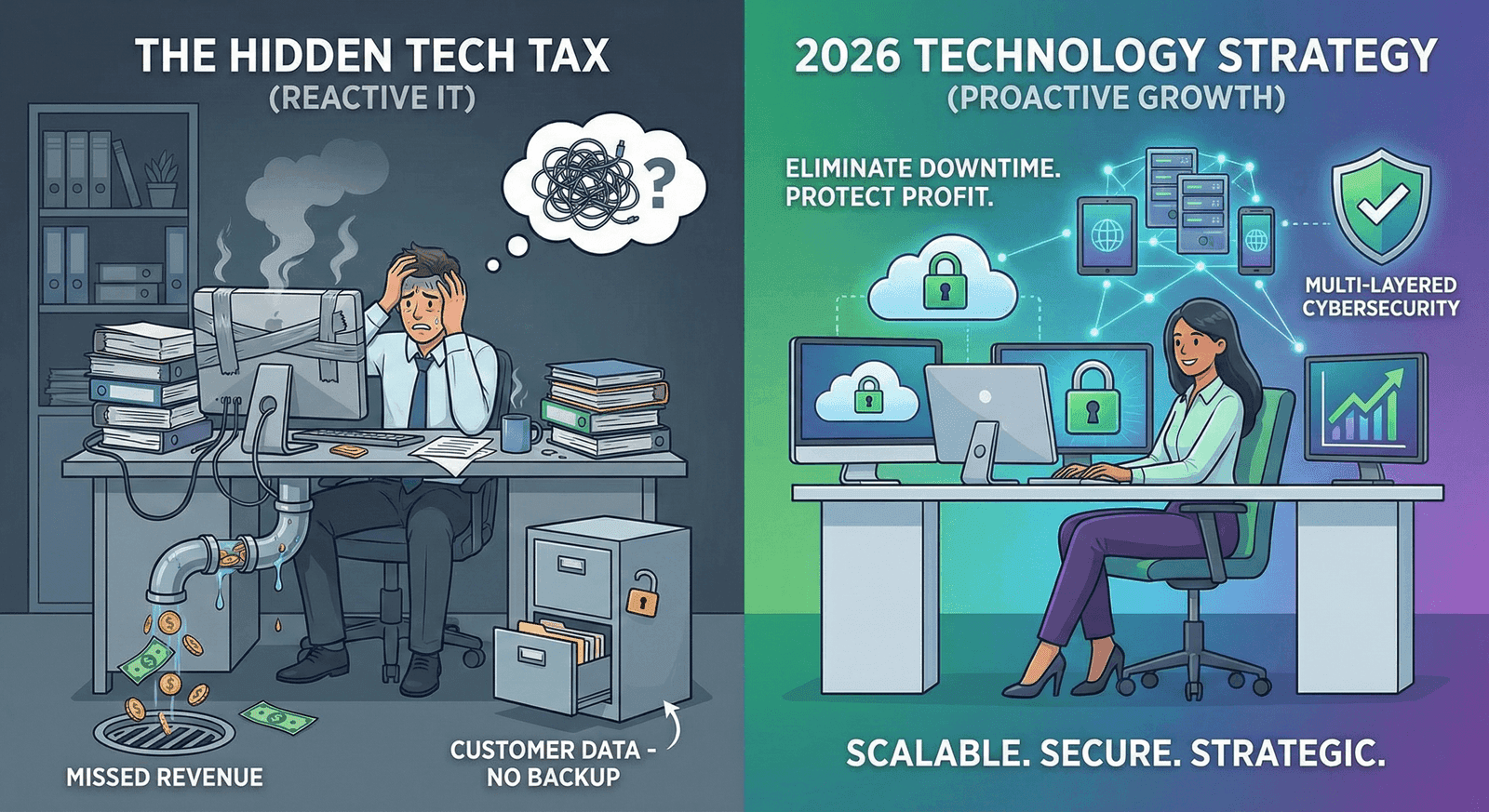
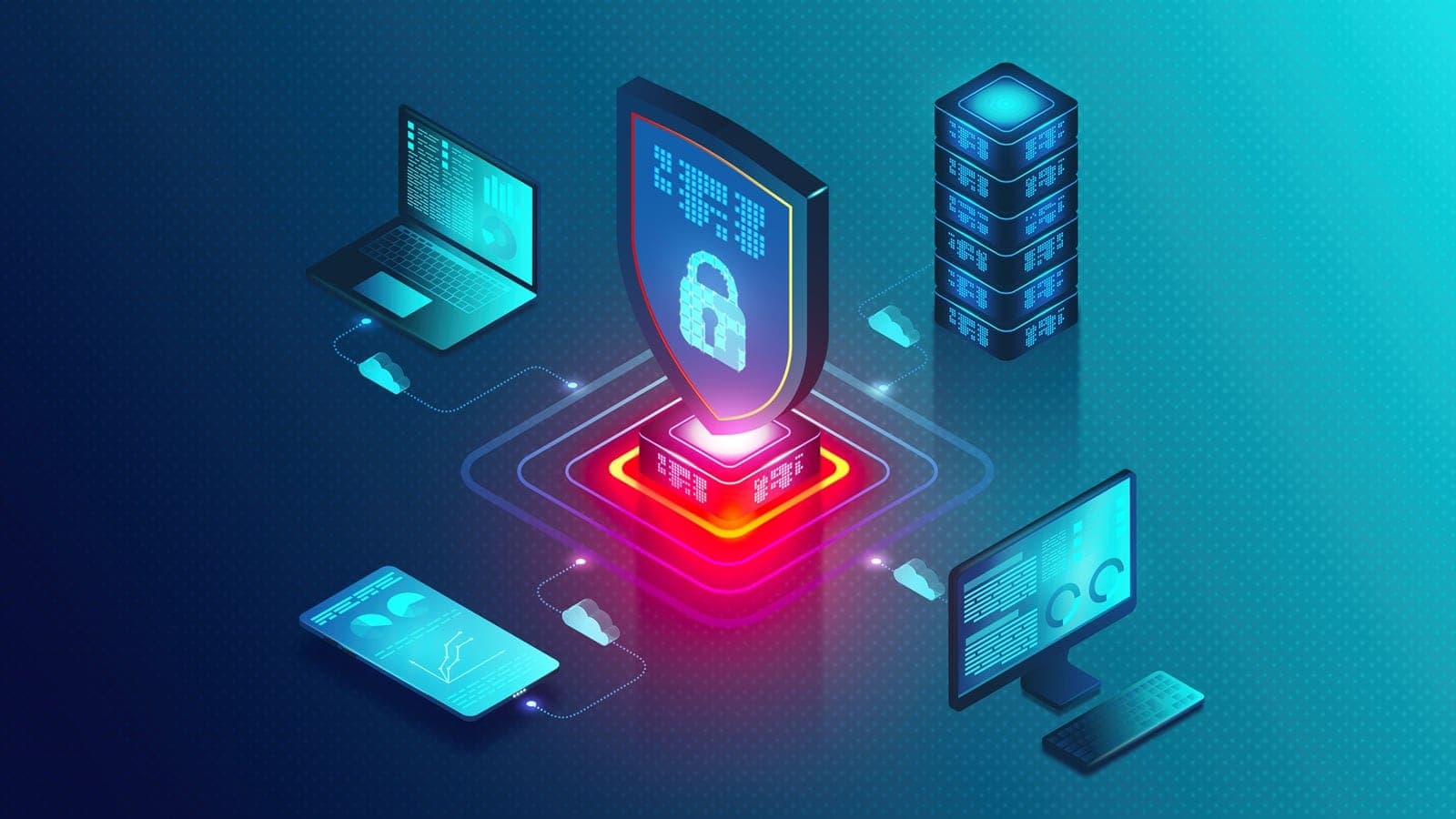
From basic cyber hygiene to advanced threat response, these ten practices form the foundation for protecting your business and the technology you run it on.
CYBERSECURITYCCloud Matrix IT/September 22, 2023/5 MIN READ
In today's hyperconnected world, the importance of cybersecurity cannot be overstated or ignored. As businesses rely more than ever on digital technologies, the threat landscape keeps evolving, becoming increasingly sophisticated and pervasive. To navigate this digital age safely, it is crucial to build a robust cyber defense strategy, even if you are a small business. The consequences of not making cybersecurity a top priority can be detrimental.
Below are the ten best practices that help form the foundation for protecting your business, from basic cyber hygiene to advanced threat response. Each one offers practical, actionable ways to fortify your defenses and stay one step ahead of cyber threats.
// 01The Ten Best Practices
01
Foundational cybersecurity practices
Start with strong cyber hygiene: robust password policies, multi-factor authentication (MFA), and the principle of least privilege (PoLP). Strong passwords mixing letters, numbers, and symbols reduce the odds of brute-force attacks, MFA makes unauthorized access exceedingly difficult even after a breached login, and PoLP limits the damage from breaches or internal misuse by granting only the access each task requires.
02
Continuous awareness and training
Awareness and training should be ongoing, not a one-time effort. A dynamic program keeps employees and clients informed about the latest threats and best practices and helps them recognize indicators of compromise (IoCs), where early detection is often the difference between a minor incident and a major breach.
03
Comprehensive, continuous threat response
A service offering 24/7 management for both on-premises and cloud systems acts as a vigilant defender, constantly monitoring, detecting, and neutralizing threats. Attackers innovate, impersonate accounts, and exploit legitimate tools to move deeper into networks, so rapid response matters most against fast-moving threats like ransomware, where quick action separates containment from devastation.
04
Strict application and device management
Use threat-intelligence-informed application management to address software vulnerabilities promptly and block commonly exploited apps. Maintain an up-to-date inventory of all equipment, infrastructure, and accounts, including IoT devices, which are increasingly common in workplaces and often overlooked as weak links.
05
Robust backup and recovery
A regularly updated backup and recovery program is a cornerstone of any strategy. Follow the 3-2-1 rule: at least three copies of critical data, on two distinct storage media, with at least one stored offsite to guard against local disasters. Regularly test the restoration process so backups actually work when you need them.
06
Routine risk assessments
Regular risk assessments take a proactive approach to identifying vulnerabilities, weaknesses, and threats. Systematically evaluating your infrastructure and processes highlights areas of concern so you can prioritize and promptly address high-risk findings while staying compliant with industry standards.
07
Adherence to best practices and compliance
Government and industry guidelines, built on extensive research, serve as blueprints for a secure, efficient, and ethically sound operation. Aligning with them keeps you within the law and builds trust among customers, partners, and investors while providing a framework for continuous improvement.
08
Effective patch management
Patch management is the systematic process of identifying, acquiring, installing, and verifying software and system updates. These patches fix vulnerabilities, squash bugs, and improve performance. Without a structured strategy, you leave yourself exposed to attacks and system failures.
09
Continuous visibility across environments
Maintain ongoing visibility across internal networks, external interfaces, and cloud platforms. A bird's-eye view enables real-time monitoring, swift threat detection, and immediate remediation, which is especially critical in distributed, dynamic cloud environments.
10
Evolving incident response planning
A continuously updated Incident Response Plan (IRP) outlines step-by-step procedures for when a breach occurs, minimizing damage, notifying stakeholders, and restoring operations quickly. Because threats keep evolving, the IRP must stay current so your team can act decisively when it counts.
// 02Getting Serious About Your Defenses
These ten practices work best together, layered into a single coordinated strategy rather than treated as a checklist of separate projects. If you are looking to take your cybersecurity seriously, reach out for a chat. There are lots of ways we can protect your business so you can focus on growth.
Cloud Matrix IT is a managed IT and technology consulting firm specializing in proactive IT management for small and medium-sized businesses. IT PROTECT is a comprehensive technology strategy and cybersecurity platform that helps your business save time, reduce costs, and stay protected with a fully managed 24/7/365 SOC+ platform led by cybersecurity professionals. Yes, even weekends and holidays.
// LET'S TALK
Tell us what you're working through.
Real conversations beat sales pitches, every time. Share what's on your plate and we'll be in touch to set up a chat, usually within a business day. No pressure, no pitch.